



Live from the Three Choirs Festival | S1 special part 1 | Gavin Higgins

Born in Gloucestershire in 1983, Gavin Higgins is one of the most dynamic and imaginative compositional voices in contemporary British music. Raised in Whitecroft in the Forest of Dean, his musical roots were planted firmly in the region’s rich brass band tradition — a heritage extending through his family for over a century. He studied French horn and composition at Chetham’s School of Music, the Royal Northern College of Music, and the Royal College of Music.
Higgins’ music is celebrated for its elemental energy, dramatic flair, and brilliant orchestration. His diverse catalogue ranges from visceral brass band pieces to full-scale ballet scores as Rambert Dance Company’s inaugural Music Fellow, alongside high-profile orchestral commissions for the BBC Proms, including Velocity (2014) and Rough Voices (2020). Among his accolades are an Ivor Novello Award for The Book of Miracles and a Royal Philharmonic Society Award.
Higgins maintains a profound personal and artistic connection to the Three Choirs Festival. Appointed as the festival’s inaugural Associate Composer, he returns home to Gloucester Cathedral to premiere major new commissions, including his Magnificat and Nunc Dimittis and Fanfare Americana. By bridging traditional cathedral choral heritage with bold, contemporary storytelling, Higgins stands at the forefront of modern British classical music.
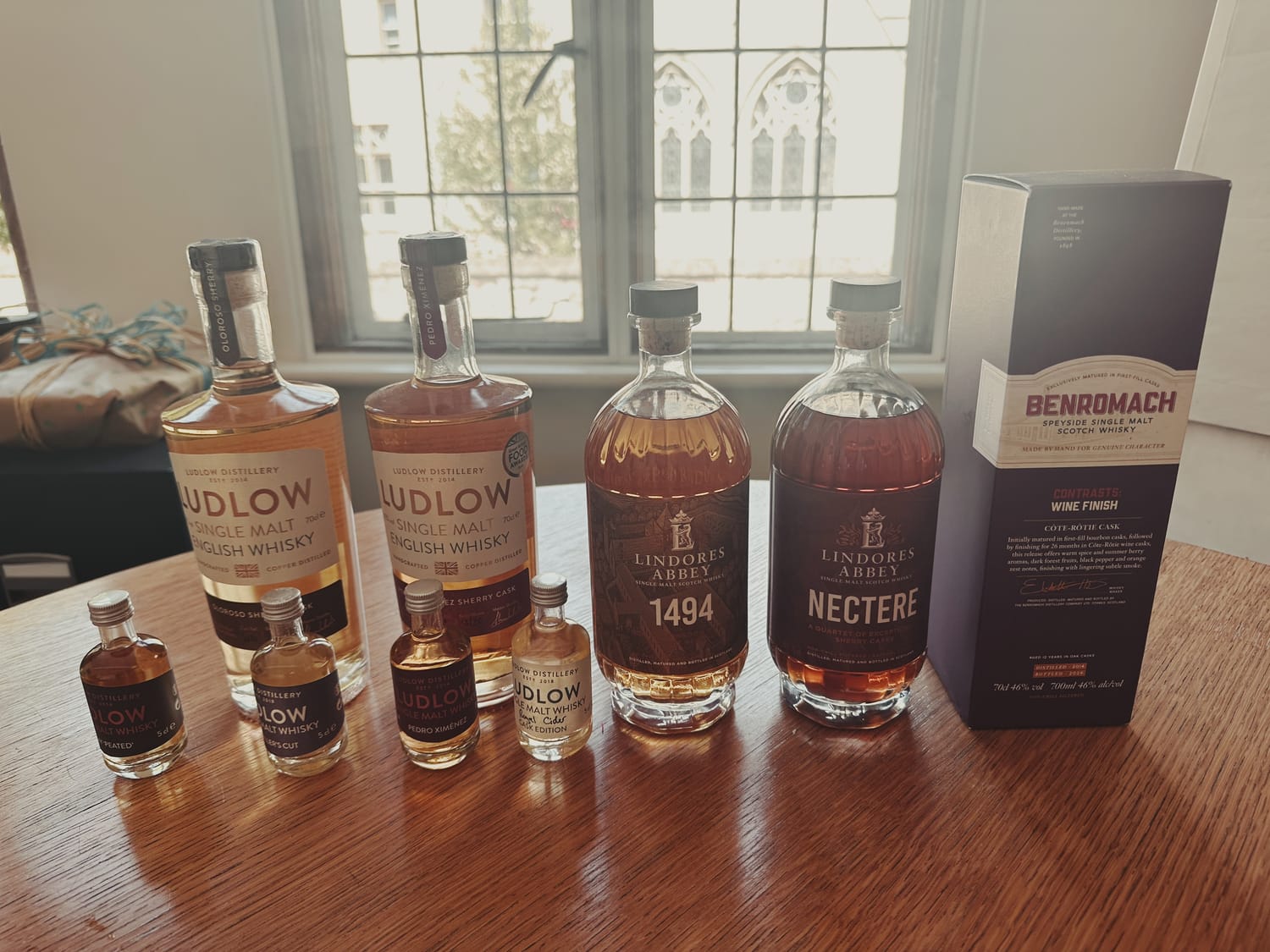
I want to say a massive thank you to Benromach (Gordon & Macphail), Lindores Abbey Distillery and Ludlow Single Malt Whisky for providing this wonderful selection of whiskies I could take on the road to do a special edition of Whisky High Notes!!


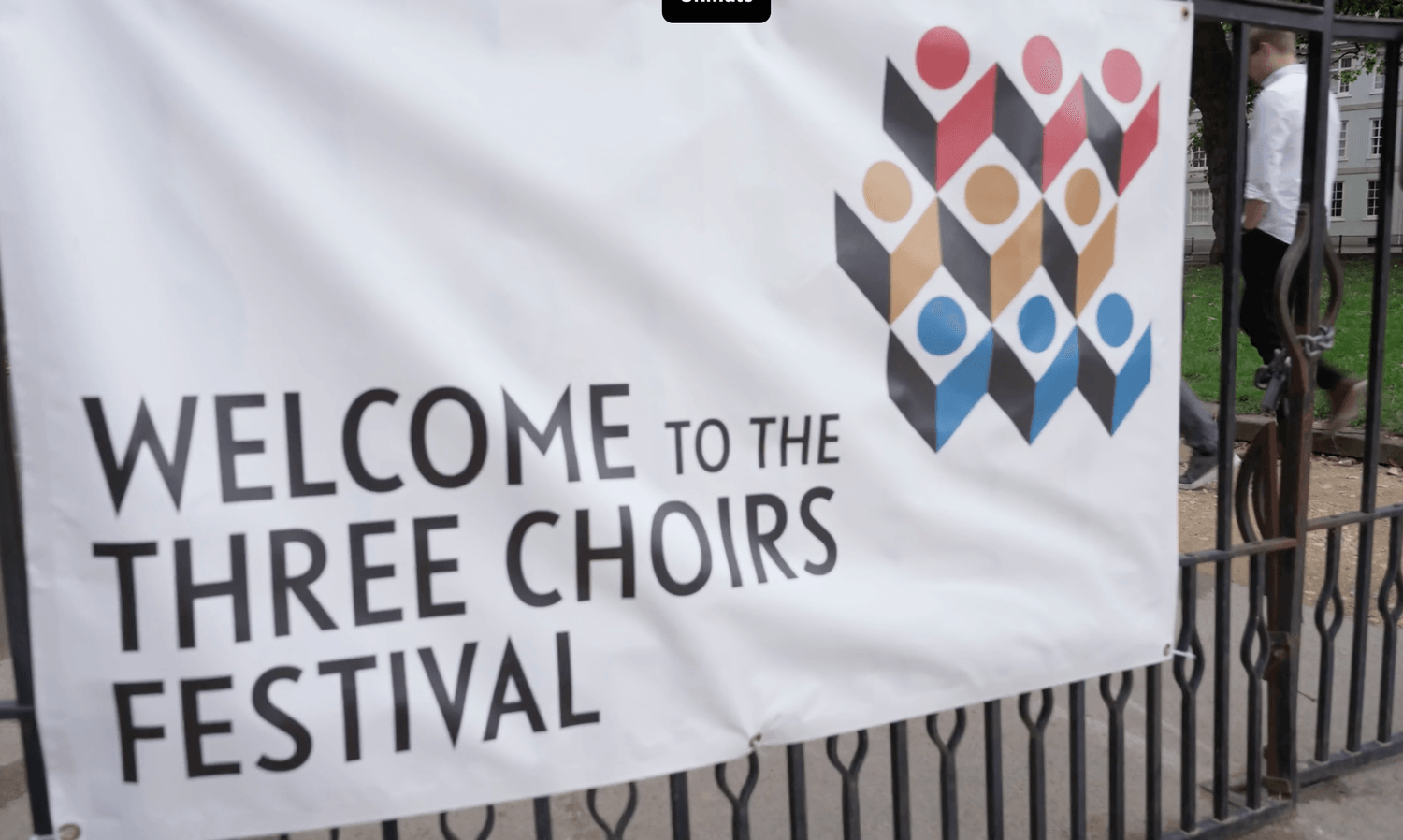
Three Choirs Festival Live Special: PART 1 - Notes on Notes
About the Piece
The background: Composed around 1932, Herbert Howells’ Requiem is a deeply intimate, unaccompanied choral masterpiece. Withheld by Howells from publication for decades, its glowing harmonies and deeply expressive settings of scripture — including Salvator Mundi (“Saviour of the World”) and Requiem Aeternam — form the emotional bedrock of 20th-century English sacred music.
The Three Choirs link: Howells’ musical soul is inextricably tied to the Three Choirs Festival. Born in Gloucestershire, he was an apprentice organist at Gloucester Cathedral under Herbert Brewer. Material from this very Requiem was later adapted — at the urging of Ralph Vaughan Williams — into Howells’ large-scale masterpiece Hymnus Paradisi, which received its legendary world premiere at the 1950 Three Choirs Festival in Gloucester Cathedral.
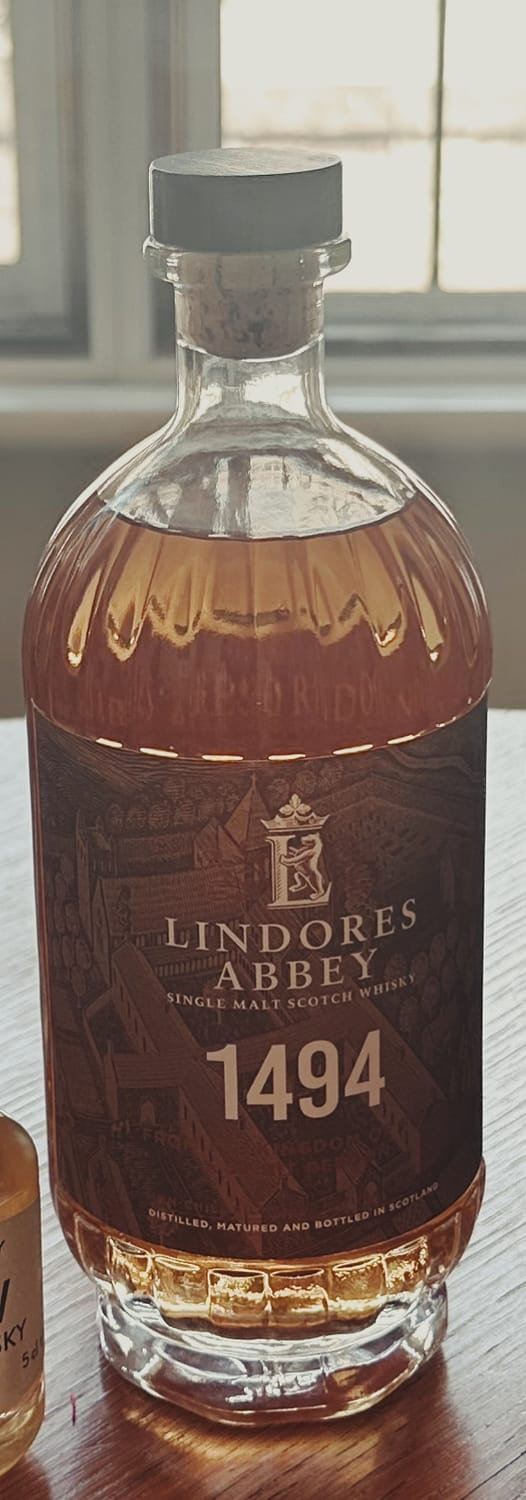
Herbert Howells’ Requiem (1st Movement) is an intimate, beautiful choral piece that feels lightly laid out yet holds deep emotional weight. Lindores Abbey’s "1494" expression provides the necessary space and relative lightness to mirror the music's delicate texture without overpowering its subtle depth. Naomi specifically chose this dram because she loved pairing historic "firsts"—the Three Choirs Festival (one of the world's oldest music festivals) with the first recorded mention of Scotch whisky.
About the Whisky
The Spiritual Homeland of Scotch Whisky: Although the modern Lindores Abbey Distillery is quite new, it sits on the site of the historic Lindores Abbey, earning it the title of the "spiritual homeland of Scottish whisky".
The Original 1494 Record: The expression's name, "1494," refers to the year of the earliest known written record of Scotch whisky distillation found in the Scottish Exchequer Rolls. The document notes Friar John Cor producing Aqua Vitae from malt for King James IV right at Lindores Abbey.
Whisky vitals
Distillery & style: Lindores Abbey, Fife, Lowlands | The “Spiritual Home” of Scotch whisky
ABV: 46%
Cask profile: A triple-cask marriage of ex-bourbon barrels, STR — shaved, toasted, re-charred — red wine barriques and ex-sherry casks.
Tasting notes:
Nose: Fresh orchard fruits, green apples, pear drops, vanilla custard and honeyed malt.
Palate: Smooth, buttery and approachable; sweet citrus, toffee apples, milk chocolate malt and vanilla fudge.
Finish: Elegant, with lingering red fruits, subtle oak spice and a touch of white pepper.
Gavin's Tasting Notes:
Colour & Legs: Pours a light amber colour with visible, slow-beading legs.
Aroma: Fresh orchard apples, pears, and subtle vanilla.
Palate: At 46% ABV, it opens with a firm kick before settling into a surprisingly light, palatable feel.
Finish: Possesses a long, lingering finish marked by gentle oak wood notes.
About the Piece
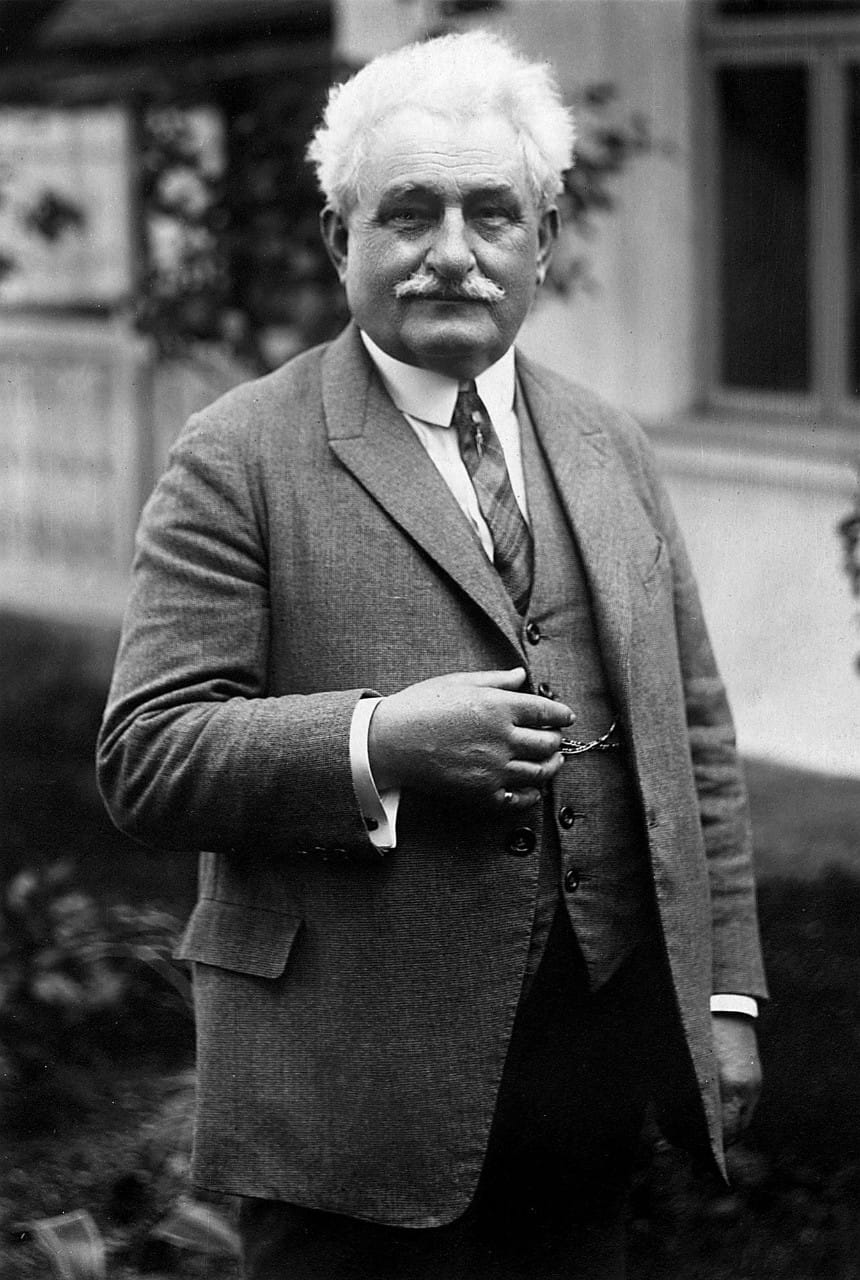
Premiered in 1927, Janáček’s Glagolitic Mass (Mša glagolskaja) is one of the most startling sacred works of the 20th century: not devotional in a soft, incense-filled way, but elemental, physical and fiercely alive. Janáček sets the Mass in Old Church Slavoniccan you n rather than Latin, giving the piece a ritualistic, Slavic identity and a sound-world that feels ancient and modern at the same time.
Musical Style
Stylistically, it is all about energy, speech-rhythm and sharp-edged colour. Janáček’s music often grows out of the natural inflections of spoken language, and here that gives the choral writing a urgent, declamatory character — short motifs, jagged rhythms and sudden surges rather than smooth, continuous lines. The orchestra is brilliantly dramatic: brass fanfares blaze through the texture, timpani and percussion drive the music forward, and the famous organ solo turns the cathedral instrument into something almost wild and volcanic.
The result is sacred music with its feet firmly in the earth. Rather than suggesting quiet submission, the Glagolitic Mass feels like a celebration of life-force: sunlight, stone, breath, bodies, bells and brass. It is a thrilling contrast to the more Anglican choral sound-world of Three Choirs, bringing a raw, continental modernist intensity into the cathedral space.
The Three Choirs link: First premiered in Brno on 5 December 1927, Janáček’s Glagolitic Mass brings a distinctly Czech modernist energy into the sacred choral-orchestral tradition. It has appeared at the Three Choirs Festival before — including a noted 2017 performance — and returns in 2026 to Gloucester Cathedral with the Three Choirs Festival Chorus, Philharmonia Orchestra and Adrian Partington. The 2026 performance has a special local significance: Gloucester Cathedral’s new organ takes centre stage that evening, with Poulenc’s Organ Concerto showcasing the instrument before Janáček’s thrilling organ part crowns the Glagolitic Mass.
Janáček’s Glagolitic Mass is dynamic, eccentric, and joyful, balancing wild organ solos and triumphant marches with soft, delicate flute passages. The sherry cask finish brings a smooth, sweet complexity that complements the piece’s exuberant moments while offering enough body to ground its sudden shifts.
About the Whisky
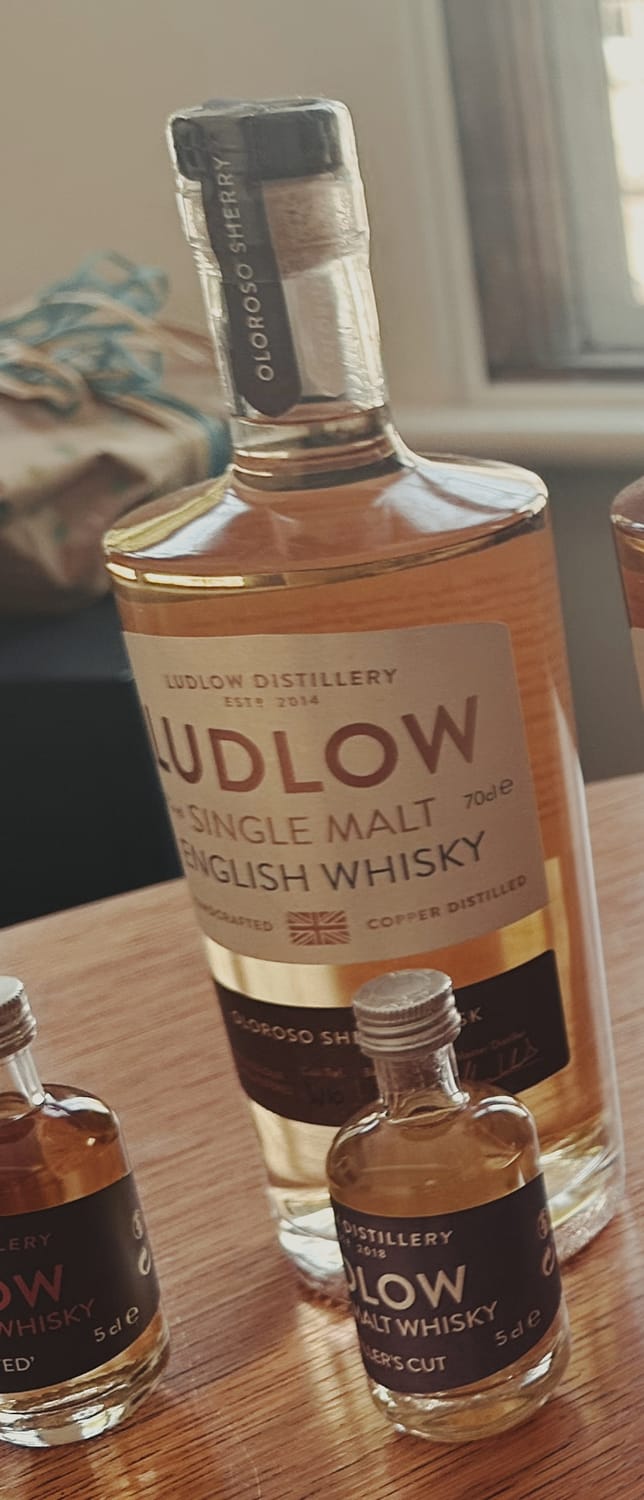
Ludlow Distillery is an English whisky maker based in the Welsh Marches, close to the landscapes and cathedral cities at the heart of the Three Choirs Festival story. Its whiskies are small-batch, cask-led and rooted in regional craft, making Ludlow the most directly local choice in the line-up.
Whisky vitals
Distillery: Ludlow Distillery (Shropshire, England)
Expression: Distiller's Cut — Cask Edition No. 2: Oloroso Sherry Cask
Style: Single Malt English Whisky (Lightly Peated)
ABV: 42%
Distillation & Cask Profile: Quadruple-distilled in custom German copper stills using a blend of fine English barley and lightly peated Scottish malted barley. Initially aged in second-fill Speyside oak barrels before undergoing a dedicated maturation/finish in seasoned Spanish Oloroso Sherry casks.
Appearance: Deep mahogany-amber with a warm, dark copper glow.
Tasting Notes
Nose: Heather honey, crème caramel, and dark Oloroso oak, layered with toasted walnuts, stewed plums, and a whisper of pipe tobacco over soft peat.
Palate: Savoury and medium-bodied. Honeyed malt and butterscotch yield to stewed figs, dark cocoa, and dry toasted oak, anchored by gentle peat structure.
Finish: Long and warm, drying gracefully into polished wood, tobacco leaf, and subtle baking spice.
Gavin’s Tasting Notes:
Colour & Craft: Pale and golden, resembling a Chardonnay. Produced in small batches using a rare wood-fired German column still.
Aroma: Prominent vanilla custard, butterscotch, and warm caramel.
Palate: Bottled at 42% ABV, it drinks smoothly with a gentle, warming mouthfeel.
Finish: Sweet and well-rounded, leaving lingering notes of caramel, butterscotch, and faint nuttiness.
About the Piece
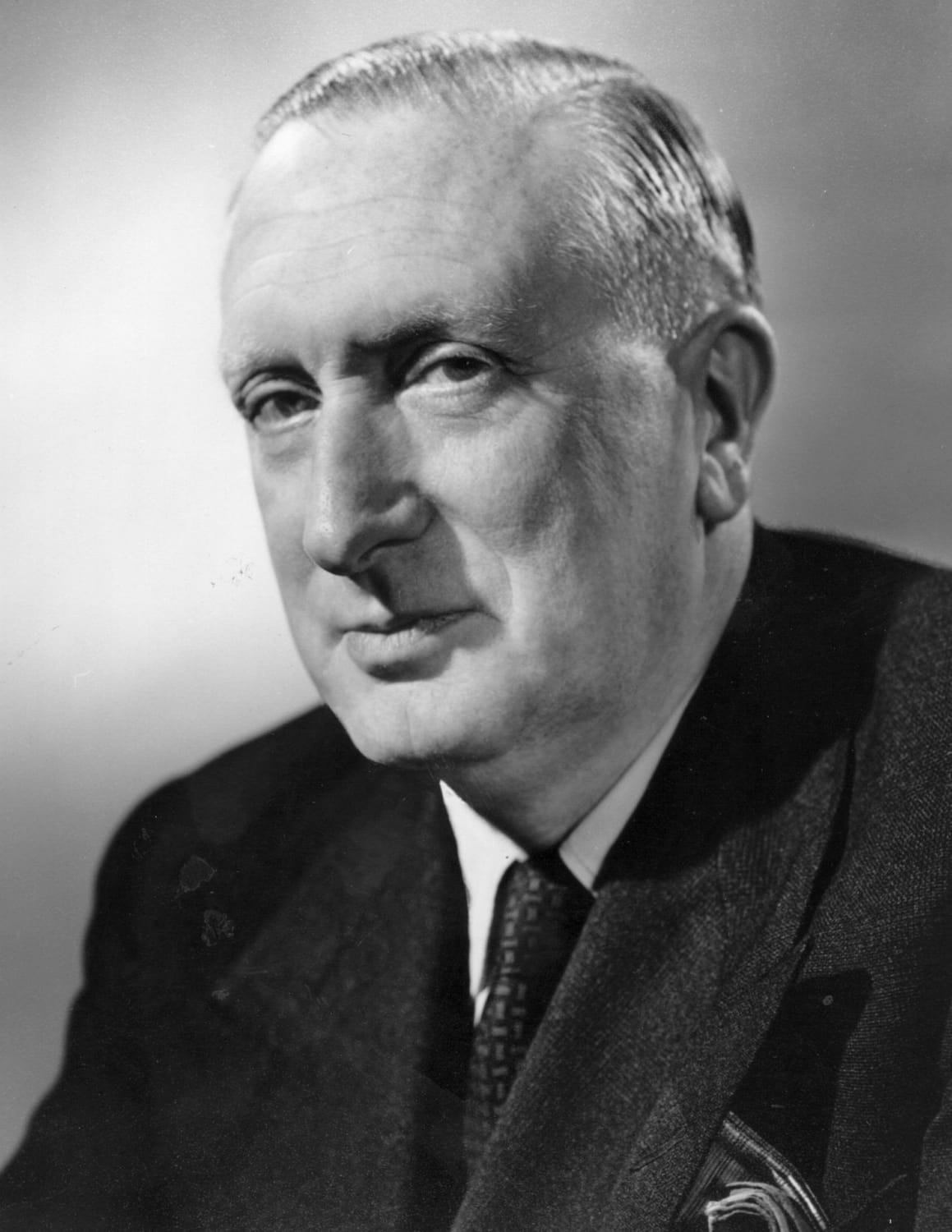
Written in 1931 with a text selected by Osbert Sitwell from the Old Testament, Walton’s cantata tells the dramatic story of the fall of Babylon — but it does so with the flair of a composer who had fully absorbed the energy of the 1920s and early 1930s. This is not polite English choral music. It is sharp, brilliant, theatrical and deliberately overwhelming.
Musical Style
Walton’s style here is a heady mixture of biblical grandeur, jazz-age rhythm and modern orchestral spectacle. The chorus often sings in huge, punchy blocks of sound, declaiming the text with almost cinematic force. Around it, the orchestra flashes and snarls: syncopated rhythms, biting brass, glittering percussion and two additional off-stage brass bands create a sense of scale that feels closer to a vast public drama than a conventional sacred cantata.
There is also a wonderful volatility to the piece. Walton moves between menace, mockery, lament and celebration with dazzling speed. The Babylonian feast scenes have a decadent, almost dangerous swagger, while the downfall of the city is painted with savage rhythmic drive. By the final hymn of praise, the work has become a huge choral-orchestral release — exhilarating, brash and unforgettable.
The Three Choirs link: Belshazzar’s Feast has a famous and controversial history with the festival. Because of its violent, theatrical, and “pagan” character, the work was notoriously banned from being performed in Three Choirs cathedrals for over twenty-five years before finally being permitted in 1957. In a full-circle moment, Belshazzar’s Feast opens the 2026 Three Choirs Festival in Gloucester Cathedral on Saturday 25 July, performed by David Stout, the Three Choirs Festival Chorus and the Philharmonia Orchestra, conducted by Adrian Partington. The programme pairs Walton’s choral spectacular with Elgar’s Symphony No. 1 and the UK premiere of Gavin Higgins’ Fanfare Americana, making it a bold opening-night statement: rooted in Three Choirs tradition, but with a living Gloucester composer at the centre of the festival story.
Walton's Belshazzar's Feast is an epic, colorful, and wildly dramatic work demanding massive orchestral sound and offstage brass fanfares. A monumental composition like this needed an equally bold and complex dram—Benromach’s red-wine finish delivers the deep, meaty intensity required to match the performance's scale.

About the Whisky
Benromach is a small Speyside distillery in Forres, revived by independent bottler Gordon & MacPhail and known for a deliberately traditional style of single malt. Unlike many modern Speyside whiskies, Benromach often keeps a light thread of peat smoke in the spirit, giving its drams a balance of orchard fruit, malt sweetness, spice and gentle earthy smoke. For this episode, the Contrasts Côte Rôtie Cask brings a more dramatic, wine-cask-led character: red fruit, dark spice, oak and smoke — a useful match for music with theatrical weight and strong contrasts.
Whisky vitals
Distillery & style: Benromach, Forres, Speyside | Lightly peated single malt
ABV: 46%
Cask profile: Matured in first-fill bourbon casks before undergoing a 26-month finish in French red wine casks from the prestigious Côte Rôtie region in the Rhône Valley.
Tasting notes:
Nose: Red summer berries — raspberries, strawberries and wild blackberries — vanilla custard, warm baking spices and dark chocolate.
Palate: Viscous and oily. Dark forest fruits upfront, balanced by cracked black pepper, orange zest, clove spice and a gentle earthy peat smoke.
Finish: Medium-to-long, with lingering summer fruit, charred oak and subtle charcoal.
Gavin’s Tasting Notes:
Color & Cask: The darkest dram of the lineup, aged in Speyside and finished for 26 months in French Côte-Rôtie red wine casks.
Aroma: Rich dark forest fruits and deep wine undertones.
Palate: Sitting at 46% ABV, it is meaty, complex, and full-bodied with a pronounced spicy tang.
Finish: Mouth-coating with peppery spice, wine tannins, and a hint of aniseed on the second sip.
POST CATEGORY
More of Naomi's World

The Music and Whisky Pairing you never realised you needed!
Please Drink Responsibly
Created with systeme.io